ceremony
Do You Need Wedding Programs?
No. Print them when the service is long, unfamiliar, or full of names guests will not know. A short civil ceremony can skip the paper.
A journal of the wedding arts
The service
Length is the decision that moves the rest of the day. For most secular ceremonies, 20 to 30 minutes is the band that keeps people seated and still listening. A full Catholic Mass often runs closer to an hour. A courthouse service can be over in under twenty minutes, sometimes under ten. How Long Should a Wedding Ceremony Be? lays those ranges out by format. It is also plain about chairs. If the service runs past a short blessing, give people a seat. Standing through a long reading in summer heat is how a pretty ceremony turns into fidgeting.
Who walks, and in what order, is a smaller clock with a better chance of someone waiting in the wrong place. Wedding Processional Order: Who Walks When covers a traditional line, who escorts the mother of the bride, who walks the groom in, and how a smaller room or a same-sex wedding drops the parts that do not fit the family you have. The recessional is the exit. It is a different order, and it is in the same essay.
Paper at the seat is optional. Do You Need Wedding Programs? is a no for a short civil service where the room already knows the wedding party. Print one when the service is long, the responses are unfamiliar, or half the guests cannot match faces to names. A sign or a single line from the officiant can do that job when wind, or the budget, makes a stack of booklets a bad idea.
A unity ritual is optional in the same way. Candle and sand are the pictures people already have. Unity Ceremony Ideas Beyond Candle and Sand treats the middle of the ceremony as two to four minutes you spend only when the action shows something the vows do not. If the vows are already doing that work, skip the props and give the minute back to the room.
Two choices sit beside the service and change the afternoon around it. First Look vs No First Look is whether the aisle is the first sight or a second, public one. A first look usually buys a calmer photo block and lets cocktail hour stay nearer sixty minutes. Skipping it often means a longer buffer while you take portraits the guests cannot see. Keeping the dress unseen until that walk has its own history essay below, next to the vows.
An objection from the pews is rare. What Happens When Someone Objects at a Wedding? Unpacking the Dramatic Tradition still tells the officiant to take it, and it tells the two of you to step out of the room if the interruption is real. Most scripts can leave the "speak now" question out. The bouquet toss can leave with it. The History and Significance Behind the Tradition of Tossing the Bouquet is the folklore, and the modern version where you hand the bouquet to someone on purpose.
No. Print them when the service is long, unfamiliar, or full of names guests will not know. A short civil ceremony can skip the paper.
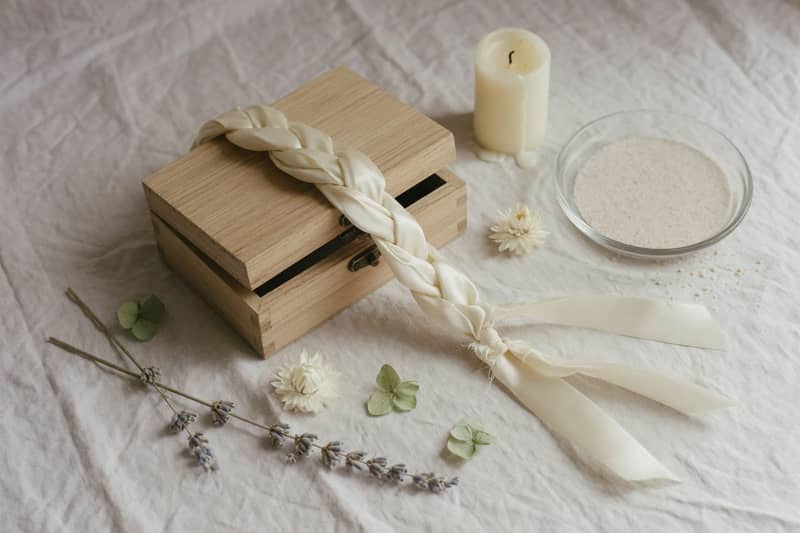
A unity ritual is optional and belongs in about two to four minutes. Choose one only when it shows something the vows do not.
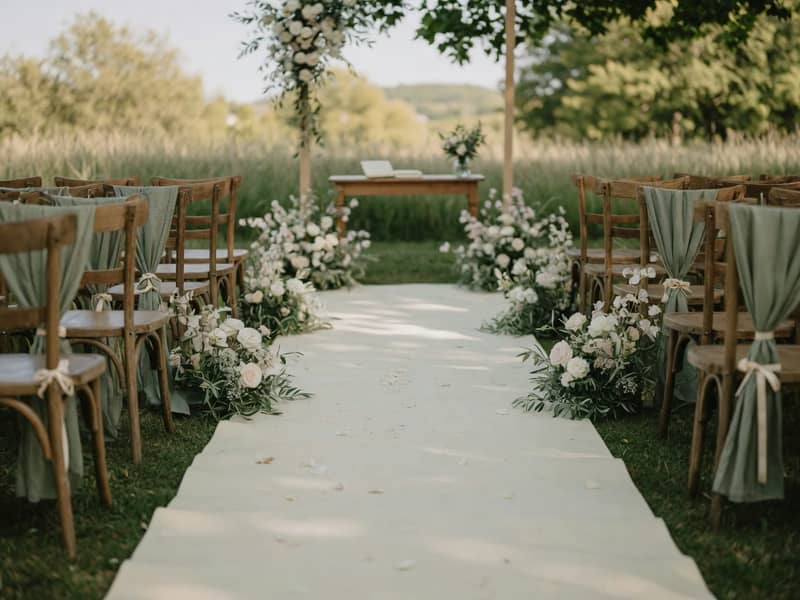
Most secular ceremonies land at 20 to 30 minutes. A full Catholic Mass is often closer to an hour. The format sets the clock.

A first look buys a calmer photo block and a shorter cocktail buffer. Skipping it keeps the aisle as the first sight. Neither is required.
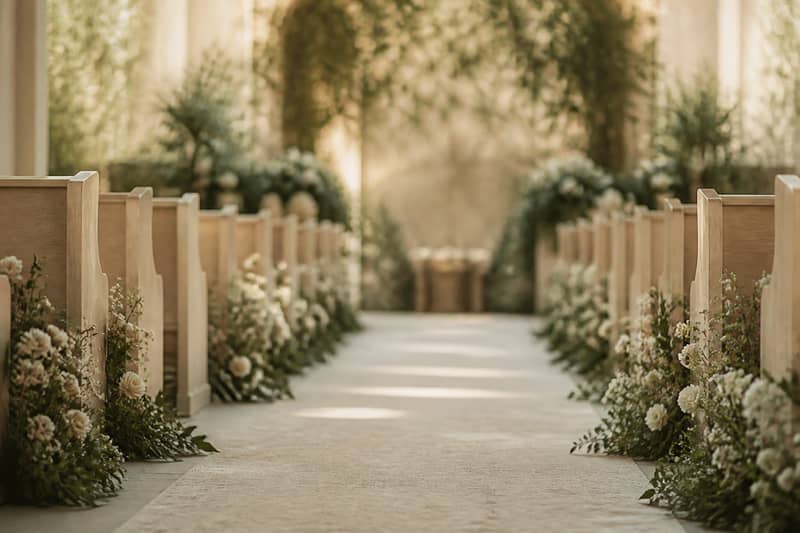
A traditional processional, who escorts the mother of the bride, who walks the groom in, and how smaller or same-sex weddings change the line.
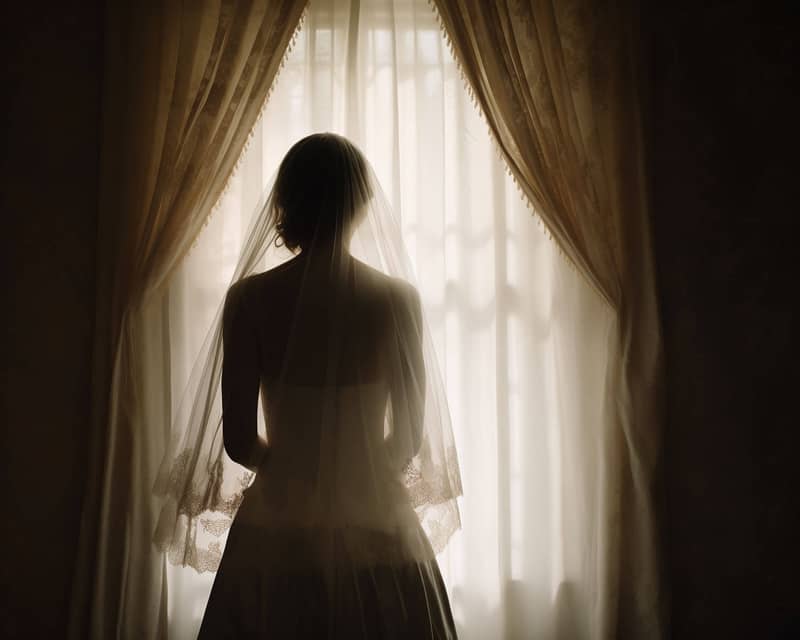
One of the most beloved wedding traditions involves the groom not seeing the bride's wedding dress until she walks down the aisle. This custom of keeping the dress a secret until the big reveal has its origins in medieval European superstitions about marriage. It was believed that if the groom caught even a glimpse of the dress before the ceremony, the wedding would be cursed with bad luck or the marriage doomed to failure. While we no longer give credence to such ominous superstitions today, the tradition of keeping the dress hidden persists as a way to build anticipation and suspense before the wedding.
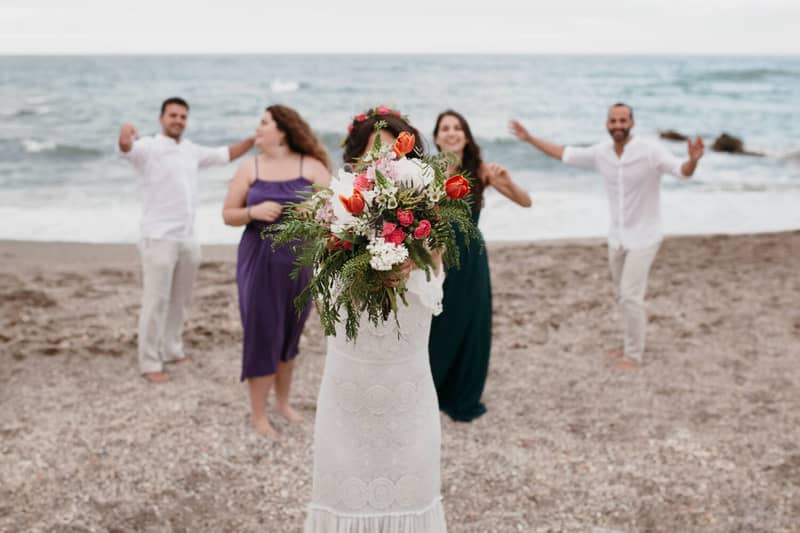
After the vows are sealed with a kiss, the bride turns her back to a gaggle of excited bridesmaids and single female guests. With a flick of her wrist, she launches that coveted arrangement of flowers over her shoulder. What ensues is a blur of flailing arms, jostling torsos, and diving grabs at the airborne bouquet. It's all in good fun, but have you ever wondered how and why this tradition came about?
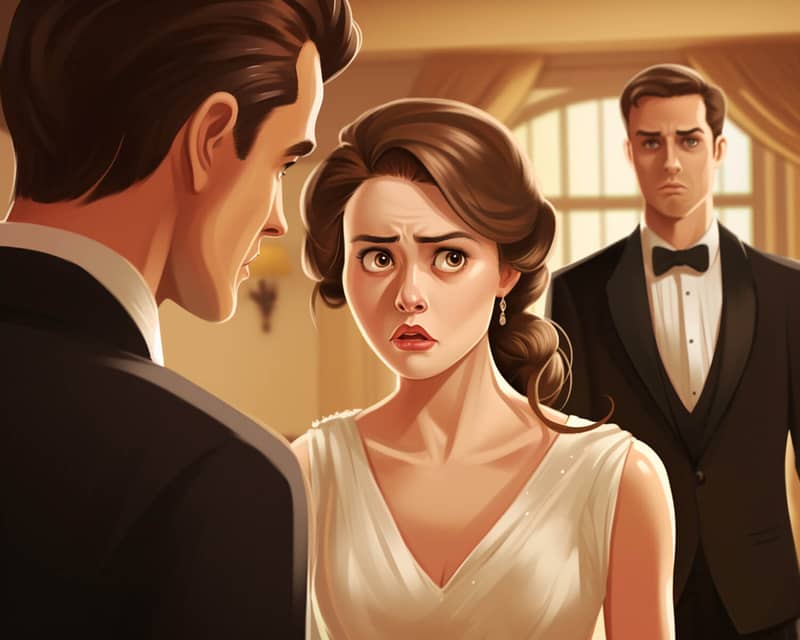
Weddings are a whirlwind of love, luscious cakes, and... objections? Yep, we've all watched enough rom-coms to recognize the classic scene where the officiant says, speak now or forever hold your peace, and everyone looks around the room waiting for some heartbroken lover or scheming villain to jump up and scream, I OBJECT! But has anyone ever wondered what happens when someone actually objects at a wedding?
Weddings! A time of love, joy, and that distant cousin who insists on DJ-ing with his questionable 80s mixtape. But if there’s one thing more nerve-wracking than choosing between three types of cakes (seriously, why can’t we have all of them?), it’s writing your own wedding vows. Oh, the pressure!