
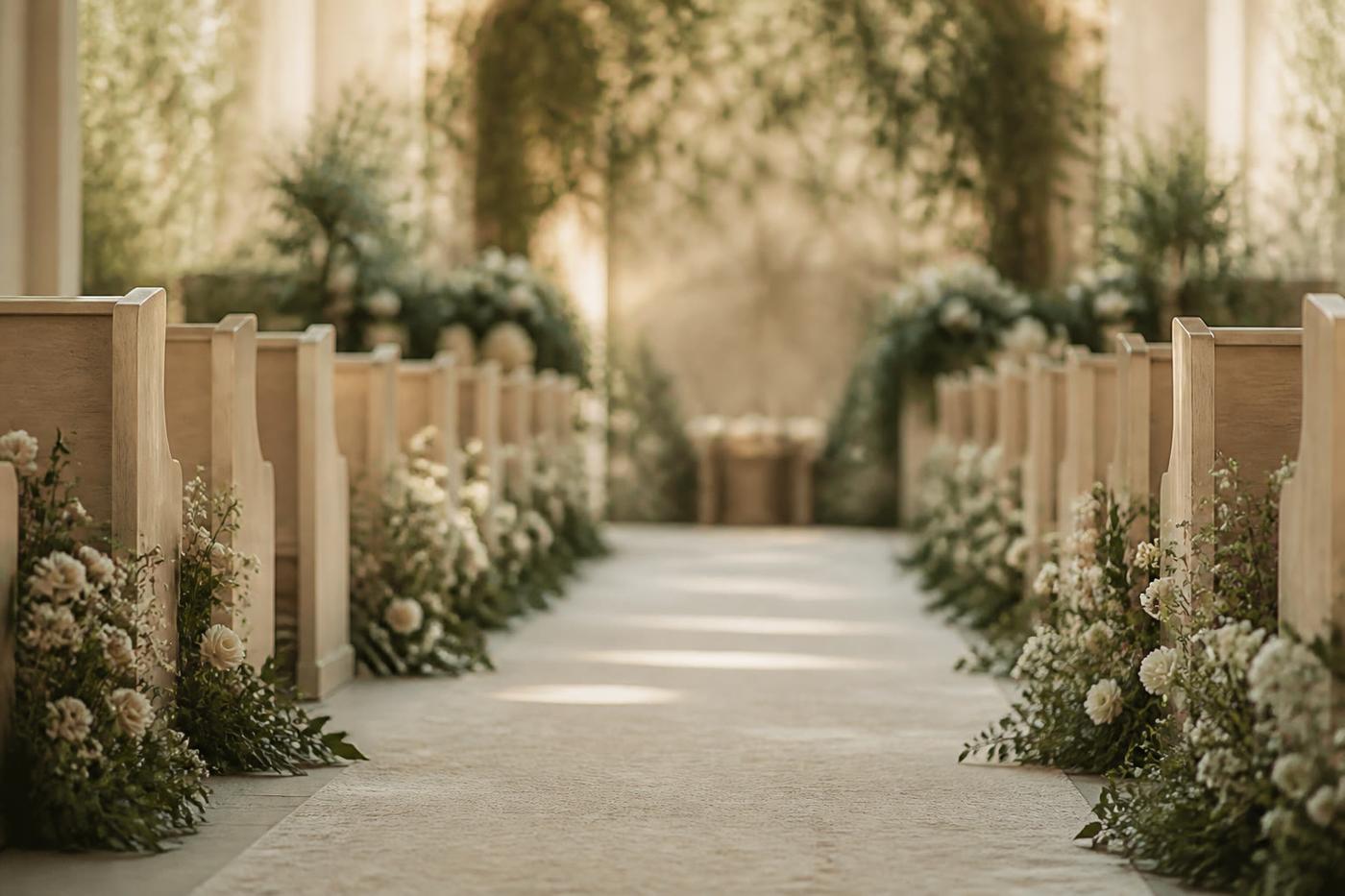
Guests are seated. Music softens. Then the room does that little collective inhale, and someone important starts walking. That stretch of entrances is your wedding processional order, and it's one of the few parts of the day that still feels like theater even when everything else is casual.
I've been lining people up for ceremonies for a long time. Most couples don't need a rigid script. They need a clear sequence that honors the people who matter, fits the space, and doesn't leave anyone stranded wondering if it's their turn. WeddingWire and The Knot both describe the processional as the series of entrances at the start of the ceremony, after guests are seated, often set to music. It's not the same as the recessional, which is your exit as a married pair.
What Is the Processional Order in a Wedding?
So what is the processional order in a wedding? Put simply, it's the agreed sequence of who enters the ceremony space, and in what order, before the vows begin. WeddingWire frames it as the couple, wedding party, close family, and officiant moving into place, usually with music. The Knot's planners stress the same idea with a softer edge: traditions exist, but there are no hard rules if your family or faith asks for something different.
Think of the wedding processional as the opening credits. Guests learn who is important by watching who walks. The order of wedding ceremony entrances also sets the emotional pace. A short wedding entrance order feels crisp. A longer bridal party processional order with kids and grandparents can feel like a family reunion that happens to end in vows.
Processionals often run about three to five minutes in total, with the bride's walk itself lasting up to about a minute, according to the kind of consensus you see across Brides and similar ceremony guides. Guests will wait politely, but they won't wait forever while twelve people negotiate an aisle that seats eighty.
One more distinction that trips people up: the wedding procession is the walk in. The wedding recessional order is the walk out. Plan both, write both down, and rehearse both once.
Traditional Wedding Processional Order
Here's the Christian-leaning common US sequence many couples still use as a starting point, drawn from WeddingWire's widely cited line-up. I treat it as a template, not a commandment.
- Groom's parents (optional honor walk). They may walk in and take their seats, often on the right facing the altar in this Western pattern.
- Mother of the bride. Traditionally the last parent seated before the altar party begins. She may walk alone or with an escort, and she usually sits front left.
- Officiant. Walks to the altar and takes their place.
- Groom and best man. They take their places at the front (sometimes via a side entrance rather than the main aisle).
- Bridesmaids and groomsmen. In pairs, or one by one, depending on your taste and aisle width.
- Maid or matron of honor. Often alone. She doesn't have to walk with the best man in the processional even if they stand together later.
- Ring bearer and flower girl. Kids usually walk, deliver their moment, then sit with parents rather than standing through the whole ceremony.
- Bride with her father. Classic pairing: bride on father's right; once at the front, bride stands left facing the altar, groom on the right.
That numbered wedding ceremony processional order is what search snippets love, and it's still what many US guests expect. Variations are common. Some couples send the officiant in first. Grandparents often walk before parents. The groom may walk the aisle himself. Party order can flip so all groomsmen enter first, then all bridesmaids. The Knot is clear that couples can customize freely. Write the sequence you actually intend.
For day-of context relative to photos and dinner, pair this with our guide to nailing the wedding day timeline. The processional is short. The ripple effects of a late start aren't.
Who Walks the Mother of the Bride Down the Aisle?
Who walks the mother of the bride down the aisle is one of the questions I get in every planning call, usually whispered like there's a single correct answer. There isn't.
Zola's guidance on escorts matches what I see in real rooms. Traditionally, a groomsman or usher walks her. She may also walk with a son, a grandson, a brother, or another relative she loves. Some mothers prefer to walk alone, which can look quietly powerful. Occasionally the bride escorts her mother first, then returns for her own entrance, though that needs careful timing. Having the father of the bride escort the mother and then race back for the bride is possible, but the timing is awkward.
In many Western ceremonies, the mother of the bride is the last relative seated before the wedding party begins. That seating often acts as a soft cue that the ceremony is about to start.
Choose the escort based on comfort, not optics. A warm walk with the right person beats a "correct" walk with the wrong one. For broader manners around family roles, our modern guide to wedding etiquette is a calm companion.
Who Walks the Groom Down the Aisle?
Who walks the groom down the aisle depends on culture, personality, and how theatrical you want the opening to feel.
In many Christian-leaning US ceremonies, the groom doesn't make a long aisle statement. He enters from the side with the best man, or they walk in together and take places at the front. That keeps the focus on the bridal entrance later. Other grooms walk the aisle solo, which can feel modern and confident without needing an escort narrative.
Jewish tradition often has the groom walk with both parents (father on his left, mother on his right), and that image has been borrowed more and more by couples outside that faith because it looks loving and complete. WeddingWire notes the classic pattern: parents flanking the groom as he approaches the chuppah. If that resonates, you need agreement and a clear cue from your coordinator, not a theological reason.
Smaller weddings sometimes skip a formal groom entrance entirely. He's simply in place when guests arrive. Whatever you choose, tell the photographer and the musician so nobody waits for a cue that never comes.
Same-Sex, Cultural, and Smaller Wedding Variations
Same-sex couples, per WeddingWire's practical notes, often walk together, walk separately, arrive escorted, or arrive unescorted. Some venues allow two aisles that meet at the altar, which looks intentional when the space supports it. The point is symmetry of meaning, not copying a gendered script that doesn't fit.
Jewish ceremonies, again briefly from WeddingWire, typically include the rabbi or cantor, grandparents, the wedding party, the best man, the groom with both parents, the maid or matron of honor, any children in the party, and the bride with both parents. The ceremony often centers on the chuppah. Seating sides are frequently reversed compared with common Christian layouts. I mention that only so you aren't surprised; this isn't a seating-chart seminar.
Civil ceremonies are fully customizable. Courthouse rooms and backyard arches don't owe anyone a traditional order of bridal procession. If your guest list is small, you may only need officiant, couple, and one or two witnesses. For help deciding who needs a reserved seat near the front, see our thoughts on the perfect wedding guest list.
Cultural blends are common now. None require you to abandon a clear processional. Decide which moments are entrances and which are rituals once everyone is already in place.
Bridal Party Details That Change the Feel
The bones of the sequence matter. The styling of the bridal party processional order changes how the room feels.
Pairs versus singles: walking in couples reads classic and efficient. Walking one by one reads slower and more editorial. Narrow aisles favor singles. Wide church naves can handle linked arms and a little sway.
Honor attendants: the maid or matron of honor often walks alone so she's visually distinct. The best man may already be at the front with the groom. That imbalance is traditional and fine.
Kids: flower girls and ring bearers are charming for about forty-five seconds and then they're children again. Plan for them to sit with parents after they walk.
Spacing: leave enough gap that each entrance photographs cleanly. Your coordinator or a calm usher should release people on cues, not vibes.
Attire logistics also affect the walk. A long veil needs a practiced step and sometimes a helper at the start of the aisle. If you're still deciding how much fabric trails behind you, our piece on wedding veil lengths sits naturally beside processional planning.
Music: one continuous piece can carry the whole party, with a clear change for the bride. Separate songs for each group can feel majestic or endless. Rehearse the handoff with the musician once. "We'll know it when we hear it" isn't a cue.
Wedding Recessional Order
After the pronouncement, the mood flips. The wedding recessional order is usually a joyful reverse of the entrance: newlyweds first, then the wedding party, then immediate family. WeddingWire and The Knot both treat the recessional as the exit after you're married, and that distinction matters when you're briefing vendors.
I like recessions that move with purpose. Kiss, pause for one good frame, then walk. Bridesmaids and groomsmen follow in the pairings you used earlier, or in a fresh order if someone needs to collect a child. Parents and grandparents follow once the aisle is clear.
Plan a song that can handle applause. Soft processional music replayed as exit music often feels like the ceremony never ended.
How to Make the Order Yours Without Chaos
Customization works when it's written down. Chaos happens when three relatives each believe they're "going next."
Start with the traditional wedding processional order above if you need a default. Cross out what doesn't fit. Add grandparents, stepparents, or chosen family where love requires it. If someone shouldn't walk, seat them early with dignity and let the processional proceed without a public negotiation.
Share one document with the officiant, coordinator, photographer, and musician. Include names, not just roles. Rehearse once, in the actual order, with the actual music cues if you can get them. You don't need a full theatrical run. You need everyone to feel the spacing and know where their feet stop.
The Knot's overview of who walks when in a traditional lineup and WeddingWire's ceremony entrance guide are solid references when relatives ask for "the real rules." Zola's note on who walks the mother of the bride helps when that question becomes a committee meeting. Paperlust's aisle sequence checklist is another clear walkthrough if you want a second list while you draft yours.
Remember that this sequence is hospitality. Keep it kind, keep it timed, and keep it short enough that the vows still feel like the main event. A clear wedding ceremony order on paper beats a whispered debate in the vestibule every time.
FAQ
What is the difference between a processional and a recessional?
The processional is the series of entrances at the beginning of the ceremony after guests are seated. The recessional is the exit after you're pronounced married, typically led by the newlyweds and followed by the party and family.
Does the maid of honor walk with the best man?
Not necessarily. In many traditional line-ups the maid or matron of honor walks alone, while the best man is already at the front with the groom. They can process together if you prefer that look.
How long should a wedding processional take?
Many ceremonies land around three to five minutes for the full walk-in, with the bride's aisle walk often up to about a minute. Venue length and party size change that more than etiquette does.
Can we change the traditional order for divorced or blended families?
Yes. Seat and escort people in ways that feel respectful and calm. There's no prize for forcing a textbook sequence onto a family that needs a kinder map.
Who walks first in a wedding processional?
In the common Christian-leaning US pattern, honor family such as the groom's parents (optional) and then the mother of the bride often enter before the officiant, groom, and wedding party. Plenty of ceremonies start with the officiant instead. Choose one plan and stick to it.
A Final Nudge From the Aisle
Write the order. Rehearse it once. Tell the people with microphones and cameras. Then walk like you mean it. A clear plan for who walks when won't make the marriage, but it will make the first minutes feel intentional, warm, and free of hallway traffic jams.